Quick answers up top: cleaning wipes are not recyclable, sponges usually aren’t, and spray bottles often are. The details matter, though, because a lot of what we throw in the recycling bin doesn’t actually belong there. Here’s what’s really recyclable in your cleaning routine, item by item.
Cleaning wipes: not recyclable, not compostable, not flushable
This one is worth saying plainly. Most cleaning and disinfecting wipes are made from plastic fibers like polyester or polypropylene, which means they can’t be recycled, won’t break down in a compost pile, and should never be flushed, even the ones that say flushable. Flushed wipes are a leading cause of sewer clogs. They go in the trash, full stop. The better long-term fix is a reusable cloth you can wash and use again.
Sponges: it depends what they’re made of
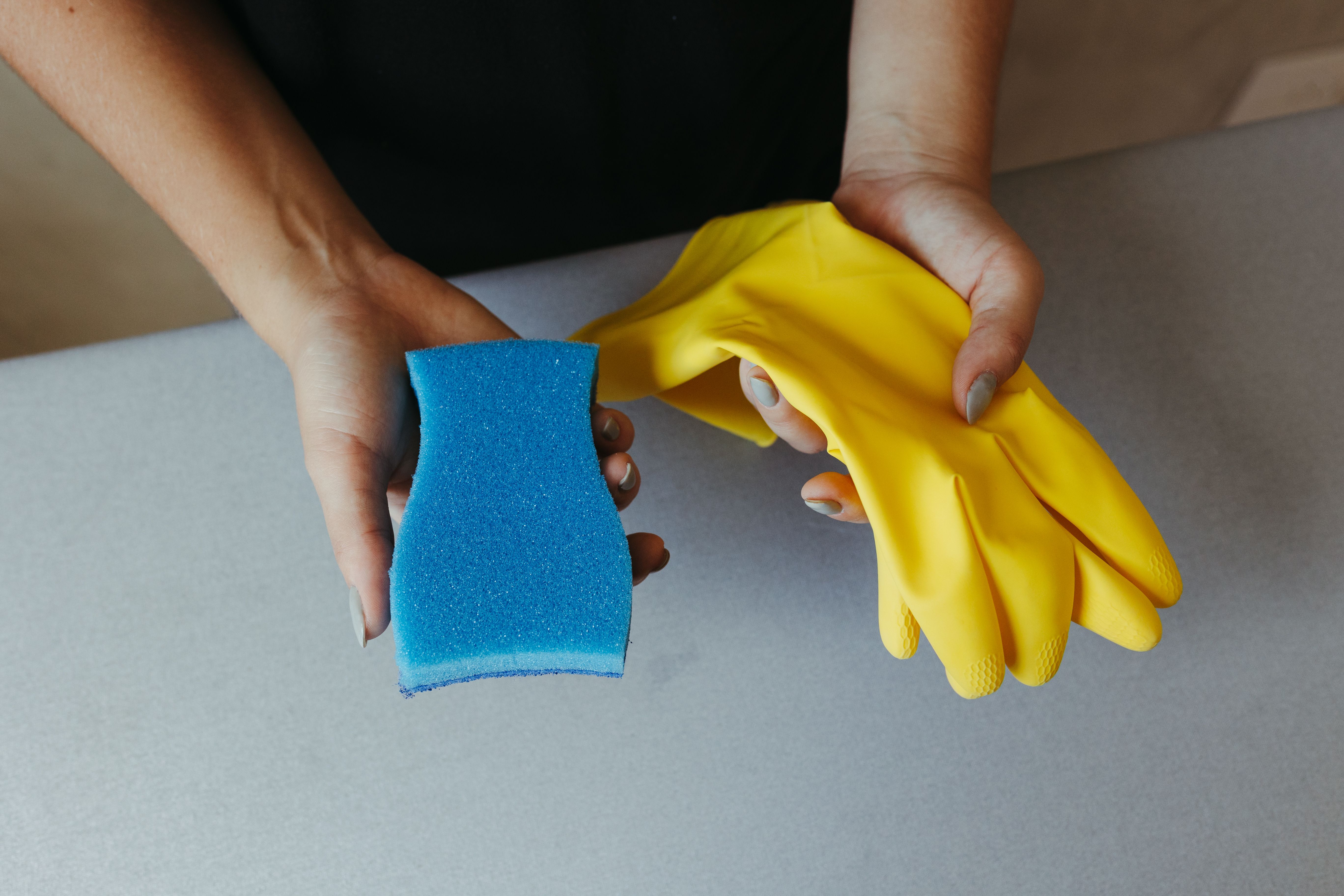
Most standard kitchen sponges are plastic foam with a synthetic scrubbing layer, so they aren’t recyclable or compostable and end up in the trash. Plant-based sponges, like cellulose or loofah, are a different story: some are home compostable once you cut off any plastic pad. If you want a sponge you don’t have to feel bad about tossing, that’s the kind to look for.
Spray bottles and containers: usually yes, with a catch
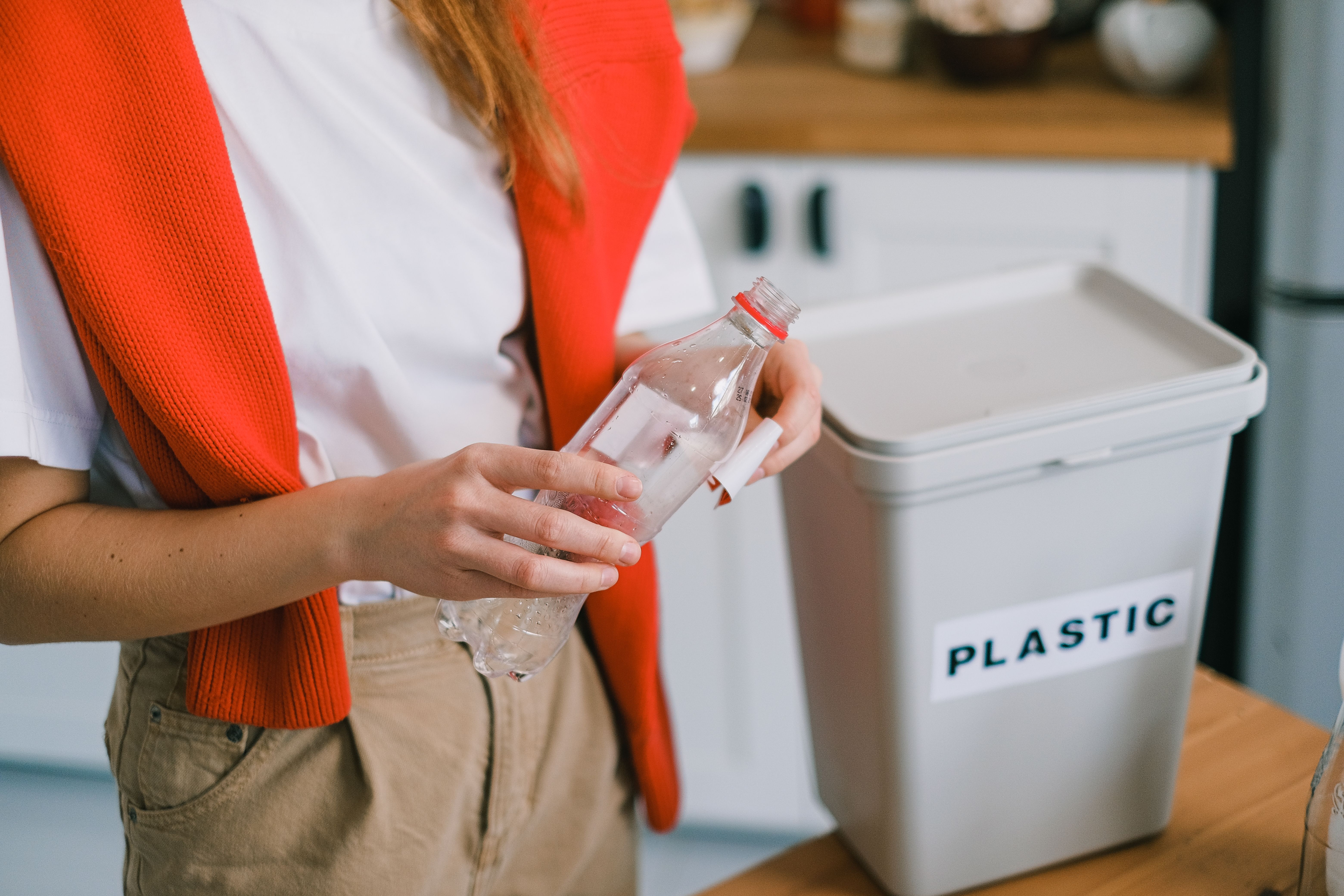
Here’s the good news. Most cleaner bottles are made from widely recycled plastics, so the container itself is often the easiest part to deal with. The catch is in the details: empty it, give it a quick rinse, and check whether your area wants the trigger sprayer and cap on or off, since the spring and mixed materials in a trigger can trip up some recyclers.
The quick reference
When you’re standing over the bin, here’s the cheat sheet:
Item | Recyclable? | What to do |
|---|---|---|
Cleaning and disinfecting wipes | No | Trash, never flush |
Paper towels | No if soiled | Compost if unbleached and lightly used, otherwise trash |
Standard plastic-foam sponges | No | Trash, or switch to a compostable one |
Cellulose or loofah sponges | Sometimes compostable | Remove any plastic pad first |
Spray bottles (empty and rinsed) | Usually yes | Recycle, check locally on the trigger |
Cleaner bottles (HDPE number 2) | Usually yes | Rinse first |
Refill pouches and film | Rarely | Trash, or a store film drop-off |
The reusable swaps that skip the problem
The items that cause the most waste, wipes and foam sponges, are also the easiest to replace. A washable cloth handles the same jobs as a stack of wipes. A plant-based sponge or a Swedish dishcloth swaps in for the plastic one. A refillable bottle means you stop buying a new trigger sprayer every time. None of it is a big change, and it quietly removes the hardest-to-recycle stuff from your routine. We covered more of the tricky items people always get wrong if you want the full rundown.
When you’re not sure, check
Recycling rules change from town to town, so the safest move for anything you’re unsure about is to check your local rules. If that sounds like a hassle, Plastnofy does it for you: point your camera at an item and it tells you how to get rid of it, sorted into recycle, compost, return, or landfill, based on your actual city. It’s part of a sustainable cleaning app that also handles your chores and checks your products, and it’s free to start.
Download Plastnofy free on the App Store and Google Play.
The bottom line
Wipes and foam sponges are trash, no matter what the label hints. Plant sponges can sometimes compost. Bottles are usually recyclable once they’re empty and rinsed. When in doubt, check your local rules, and lean on reusables to avoid the question altogether.