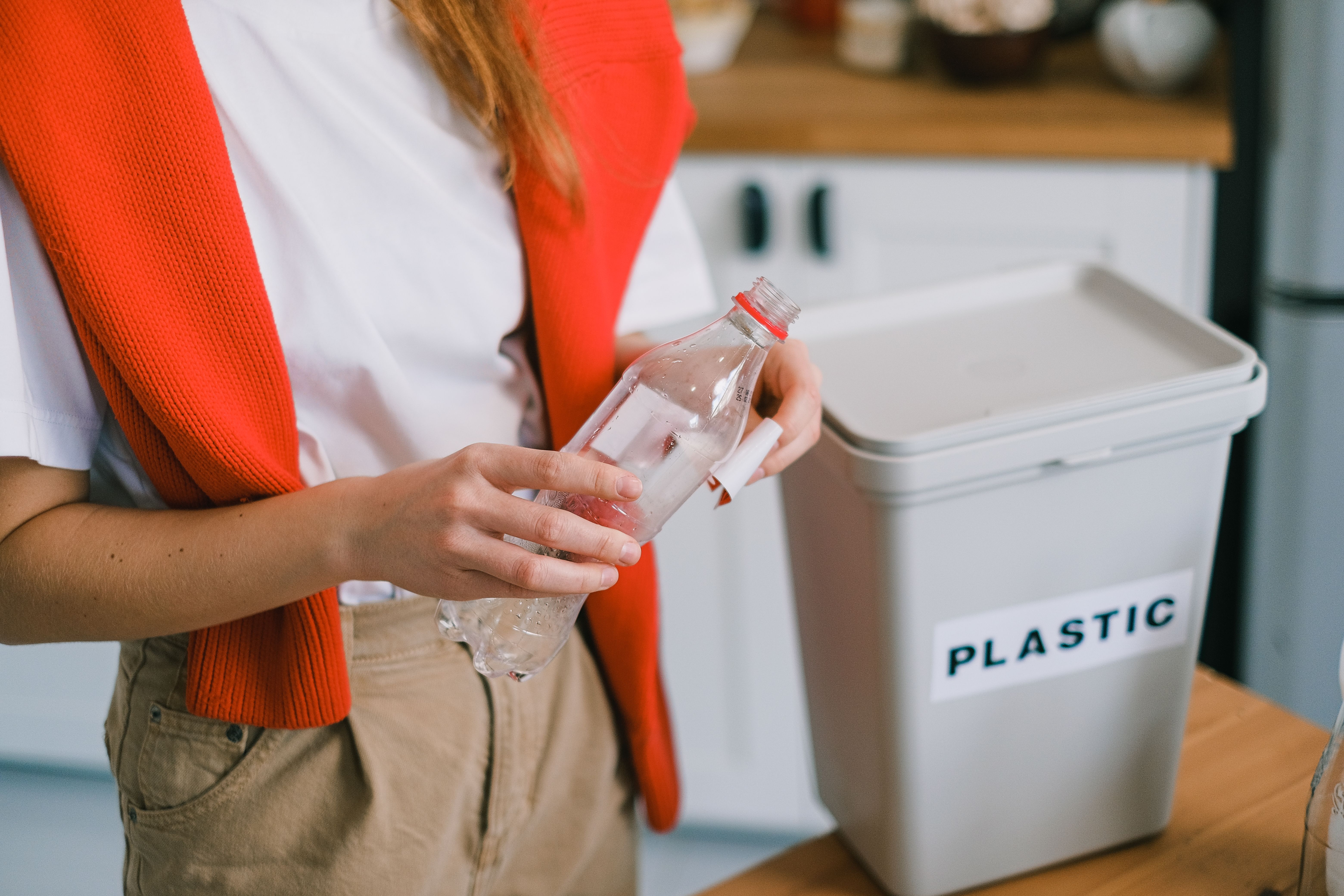
Most of us have stood over the bin holding a greasy takeout container, wondering if it goes in recycling or trash. The honest answer to “what can I recycle?” is that it depends on the item and where you live. Here’s how to sort out the stuff you’re never sure about, without the guesswork.
When in doubt, don’t wishcycle
The most common recycling mistake is tossing something in the blue bin and hoping it counts. It’s called wishcycling, and it backfires. One dirty or non-recyclable item can contaminate a whole batch, so good recyclables get sent to landfill anyway. If you’re not sure, it’s better to check than to guess.
The stuff people get wrong most
A few everyday items trip everyone up:
Greasy pizza boxes: the clean top often recycles, the oily bottom usually doesn’t.
Plastic bags and film: almost never curbside, but many grocery stores take them.
Coffee cups: the paper is lined with plastic, so most can’t go in regular recycling.
Plastic bottle caps: rules vary, some want them left on, some off.
Glass, batteries, and electronics: these often need a separate drop-off, not the curb.
Rinse anything you do recycle. Food residue is one of the top reasons items get rejected.
“Can I recycle this?” depends on where you live
This is the part that makes recycling confusing: the rules are local. What your city accepts can be completely different from the next town over, because it comes down to what your local facility can actually process. A plastic tub that’s fine in one place is trash in another. So the real question isn’t “is this recyclable?” but “is this recyclable here?”
The easy way: snap a photo
If checking local rules for every item sounds like a chore, that’s where an app helps. With Plastnofy, you point your camera at whatever you’re unsure about and it tells you how to get rid of it, sorted into the right bin: recycle, compost, landfill, return, special drop-off, or drain safe. It even gives the quick steps, like rinse it first or take the cap off, and the advice is based on your actual city, not generic rules.
It works as part of a sustainable cleaning app that also helps with chores and checking whether your products are sustainable, so the recycling answers live in the same place you already clean. And it’s free to start.
Download Plastnofy free on the App Store and Google Play.
Sometimes the answer isn’t recycling
Plenty of things you’re unsure about shouldn’t go in the recycling at all:
Food scraps and soiled paper: compost these if you can.
Bottles and cans with deposits: return them for the refund.
Batteries, paint, and electronics: special drop-off, never the curb or the trash.
Knowing the right path matters as much as recycling itself. Putting the wrong thing in the bin causes the same problem as throwing a recyclable away.
The bottom line
When you’re not sure what you can recycle, check your local rules, rinse what you keep, and don’t wishcycle. Get those three right and you’ll handle the tricky stuff correctly far more often. And if you’d rather not look it all up, snapping a photo is the shortcut.


